

Understanding the Franchise Disclosure Document (FDD): Item-by-Item Buyer's Guide
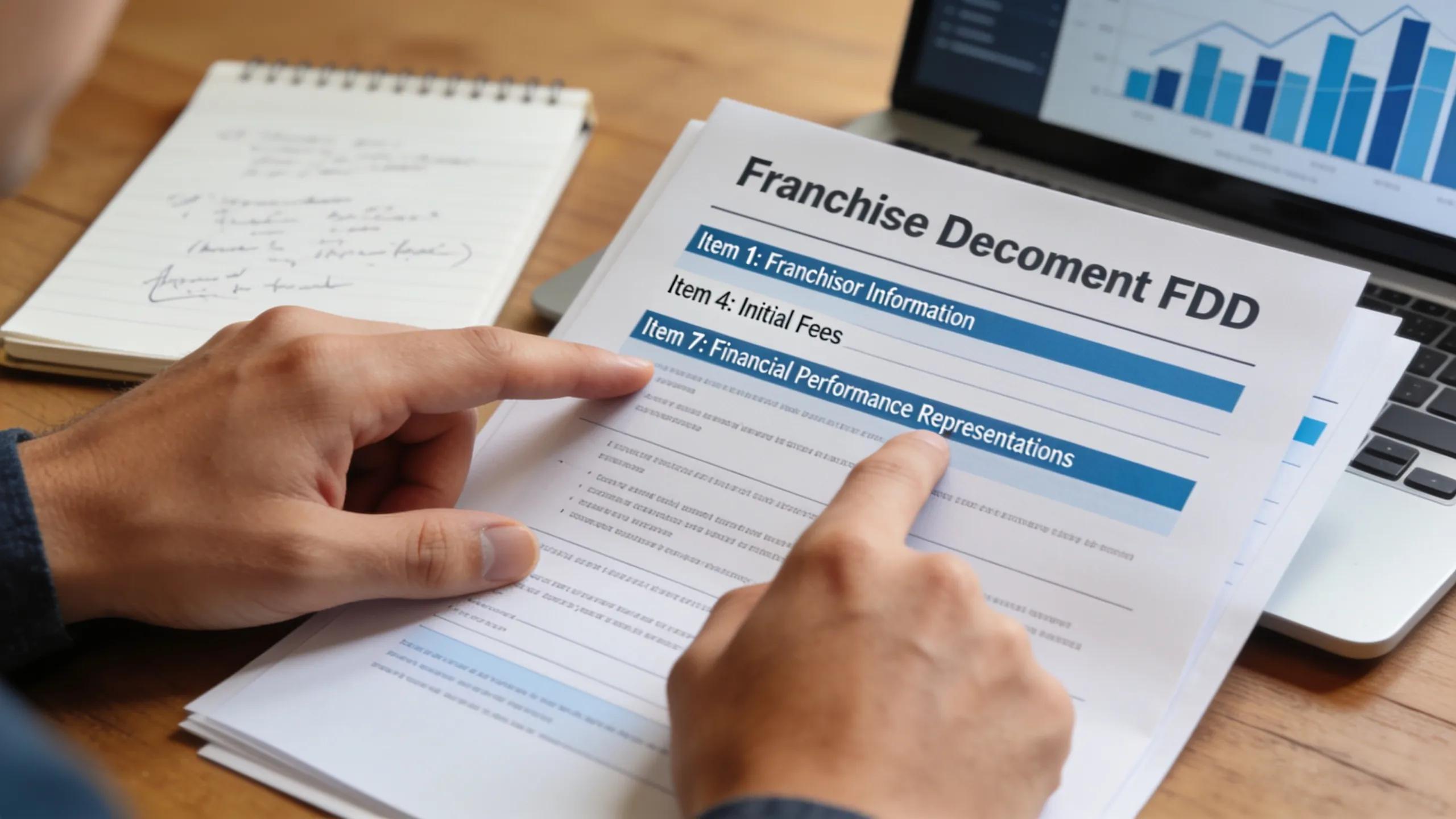
Key Components of the FDD
Business Experience
Initial Franchise Fee (Item 5)
Ongoing Fees
Estimated Initial Investment (Item 7)
Financial Performance Representations (Item 19)
Franchisee Obligations
Growth and Closure Rates (Item 20)
Litigation History
List of Existing and Former Franchisees
Tips for Evaluating Franchise Opportunities

- Establish Clear Goals: Identify what you hope to achieve with your franchise investment, whether it's financial independence, community engagement, or a new career path.
- Engage with Franchisees: Speak with current and former franchisees to gain insights into their experiences, operational challenges, and successes.
- Consult Professionals: Consider working with franchise consultants or attorneys who can provide expert guidance in navigating the complexities of franchise agreements and FDD evaluations.
What is the Franchise Disclosure Document and Why is it Important?
How Does the FDD Protect Franchise Buyers' Rights?
Who Regulates Franchise Disclosure Requirements?
How to Read and Understand Each Item in the Franchise Disclosure Document
- Review Key Sections: Focus on critical areas such as fees, financial performance, and obligations.
- Take Notes: Document insights and questions that arise during the review for further discussions with existing franchisees or consultants.
- Seek Clarification: Do not hesitate to contact the franchisor for clarification on specific items to ensure complete understanding.
What Information is Included in FDD Items 1 to 10?
What Do FDD Items 11 to 23 Reveal About Franchise Obligations and Legal Agreements?
How to Evaluate Franchise Fees and Financial Disclosures in the FDD
- Understanding Cost Structures: Examine what each fee covers and its implications on operational budget.
- Comparing with Industry Standards: Research similar franchises to gauge competitiveness in fee structures.
- Assessing Long-Term Financial Impact: Calculate how fees will influence profitability over time.
What Are the Typical Franchise Fees Explained in Item 7?
How to Assess Financial Performance Representations in the FDD?
- Critically Analyze Provided Data: Scrutinize the financial data and ensure it aligns with realistic expectations and personal fiscal capabilities.
- Contact Current Franchisees: Validate the claims by discussing actual performance with existing franchisees.
- Consider Market Conditions: Factor in broader economic conditions that could impact franchise revenues, thereby enhancing the assessment's reliability.
What Are Your Rights and Obligations Under the Franchise Agreement?
How Does the Franchise Agreement Link to the FDD?
What Legal Obligations Should Buyers Understand Before Investing?
How to Use the FDD to Make Informed Franchise Buying Decisions
- Research Thoroughly: Investigate each item in the FDD, particularly concerning their own financial and operational expectations.
- Consult Experts: Engage with a franchise consultant to discuss specific inquiries or concerns relating to the FDD.
- Make Comparisons: Compare multiple FDDs to assess the viability of different franchise options based on disclosed information.
What Are Best Practices for Comparing Franchise Opportunities Using the FDD?
- Establish Evaluation Criteria: Define what aspects are most important, such as profitability, industry innovation, and franchisor support.
- Utilize a Consistent Methodology: Develop a checklist based on FDD items to systematically evaluate each franchise opportunity against the defined criteria.
- Document Insights: Keep thorough notes of each franchise assessment, which will aid comparisons as you narrow down choices.